
Our Services
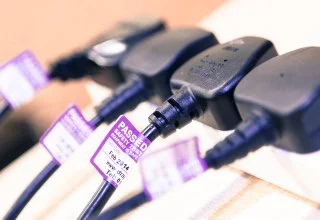
PAT testing
At N9 Energy Surveys, we offer comprehensive Electrical Equipment Testing (EET), commonly known as Portable Appliance Testing (PAT Testing) , for electrical appliance testing. This ensures that all electrical devices in a workplace are safe to use.
This process involves a combination of detailed visual inspections and specialised electronic tests to detect faults that are not visible to the naked eye, such as insulation breakdowns, earthing continuity issues, or internal wiring degradation. From office laptops and kitchen kettles to heavy-duty industrial power tools and more.
For businesses, EET Testing is a fundamental pillar of risk management and operational continuity, and under the Electricity at Work Regulations 1989, employers hold a legal responsibility to maintain electrical systems in a safe condition.

tm44 inspection
There are 2 levels of TM44 inspections, which one you require depends on the following:
Level 3
Typically applies to buildings with self-contained units often found in individual rooms or smaller spaces, examples include split systems, multi-split systems, and window units, smaller VRF/VRV systems without complex controls or central management, the system doesn't have large chillers, extensive ductwork, or complicated control systems.
Level 4
These often involve chillers that produce chilled water distributed throughout the building to cool the air, larger VRF/VRV systems with advanced controls, multiple zones, and potentially integrated building management systems and air handling units. The AC system might be interconnected with other building systems like ventilation and heating, requiring a more integrated assessment.

asset registers
An asset register provides a complete list of all assets, including those that consume energy, such as HVAC systems, lighting, and production equipment. This allows for a thorough understanding of energy consumption patterns within a building or organisation. By tracking the age and condition of assets, the register helps identify outdated or inefficient equipment that may be consuming excessive energy. This information supports informed decision-making about upgrades or replacements with more energy-efficient models. An asset register enables the scheduling of regular maintenance for energy-consuming equipment. Proper maintenance ensures that systems operate at peak efficiency, minimizing energy waste. For example, regular filter changes in HVAC systems or cleaning of lighting fixtures can significantly improve energy performance.